
One thing that can put a damper on your driving experience is seeing the dreaded check engine light illuminate on your dashboard. While it may be tempting to ignore it or simply reset the light, understanding the most common reasons for a check engine light in your BMW can help you address the issue promptly and prevent more serious problems down the road. In this blog post, we will discuss some of the typical causes of a check engine light in BMW vehicles.
Oxygen Sensor Issues
One of the most common reasons for a check engine light in a BMW is a faulty oxygen sensor. This sensor is responsible for measuring the amount of oxygen in the exhaust gases and adjusting fuel delivery accordingly. If the oxygen sensor fails, it can lead to decreased fuel efficiency and increased emissions. Replacing a faulty oxygen sensor is essential to maintain optimal performance and efficiency in your BMW.
Loose Gas Cap
Believe it or not, something as simple as a loose gas cap can trigger the check engine light in your BMW. A loose gas cap can cause fuel vapors to escape from the tank, leading to an imbalance in the fuel system. Thankfully, this issue is easily remedied by tightening or replacing the gas cap.
Catalytic Converter Problems
The catalytic converter plays a crucial role in reducing harmful emissions from your vehicle’s exhaust system. If this component becomes clogged or damaged, it can trigger the check engine light in your BMW. Ignoring catalytic converter issues can lead to decreased performance and potentially expensive repairs down the line.
Ignition Coil Malfunction
The ignition coil is responsible for providing power to spark plugs, which ignite fuel in each cylinder of your engine. When an ignition coil malfunctions, it can cause misfires and poor engine performance, ultimately triggering the check engine light in your BMW. Addressing ignition coil issues promptly can prevent further damage to your vehicle’s engine.
Mass Airflow Sensor Failure
The mass airflow sensor measures the amount of air entering your engine and adjusts fuel delivery accordingly. If this sensor fails, it can cause rough idling, decreased acceleration, and poor fuel efficiency – all of which can trigger the check engine light in your BMW. Replacing a faulty mass airflow sensor is crucial for maintaining optimal.

About Your Blog Post Author - Autoworks Colorado

Autoworks offers over 30 years of experience and an established reputation for quality service at an affordable price. We emphasize on personal attention and treat all of our clients like our own family. If you have a German import, we know how to fix it! We are a full service independent auto repair shop for all makes of German cars. Using only original equipment parts, we love what we do and we will get you back on the road in no time!
More From Our Blog

How Tariffs Could Affect the Cost of Repairing German Vehicles
If you drive a German-engineered vehicle like a BMW, Audi, Mercedes-Benz, Porsche, or Volkswagen, you likely chose it for its performance, precision, and long-term reliability. But as international trade tensions heat up, recent tariffs imposed on imported parts and raw materials could have a direct impact on your [...]
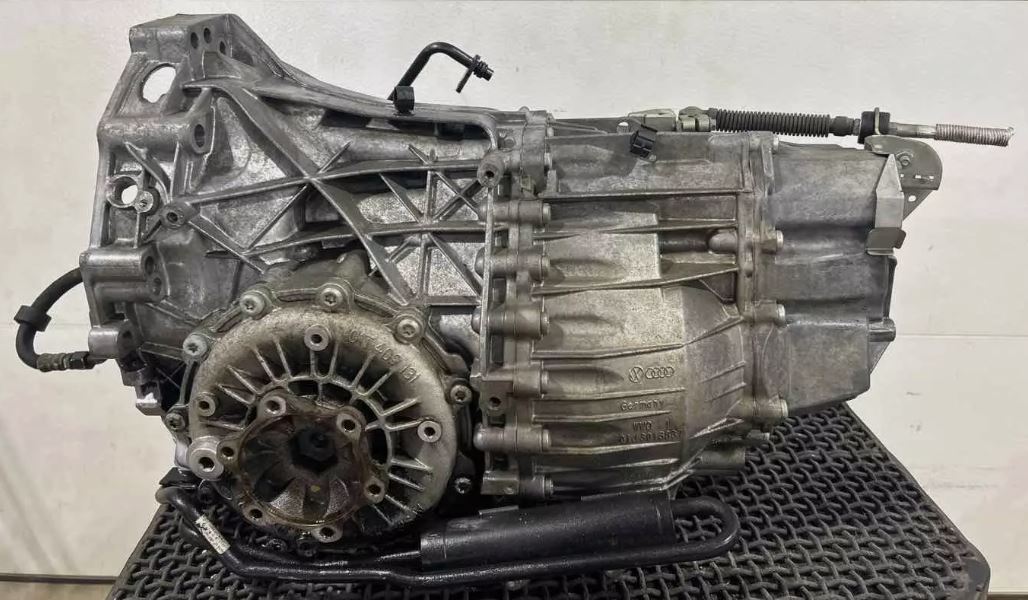
The Secret Behind Keeping Your German Car’s Transmission Smooth
Keeping your Audi, BMW, Porsche or Mercedes Benz in top condition is essential for its performance and longevity. One crucial aspect of maintenance that often gets overlooked is the transmission. In this blog post, we will uncover the secret to keeping your German car's transmission running smoothly so [...]

New Car Warranties Explained: Dealership vs Independent Mechanic for German Vehicles
Owning a German car or SUV means committing to exceptional engineering and premium driving experiences. Whether you're behind the wheel of a BMW, Audi, Mercedes-Benz, or Volkswagen, maintaining your vehicle to meet its high standards is essential. But when it comes to servicing under your new car warranty, [...]
Why we Pump Old Engine Oil Out Instead of Draining It
As German auto mechanics, we often get asked why we pump out old engine oil instead of simply draining it. Many people don't understand the difference between the two methods and the impact it can have on their vehicle. As experts in the field, we are here to [...]